
Water damage restoration has come a long way from relying on guesswork and visible signs alone. Today, moisture detection technology plays a vital role in finding hidden water, guiding restoration plans, and preventing long-term issues.
Importance of Moisture Detection Technology
By using advanced tools, water damage restoration Oahu professionals can restore properties more efficiently while reducing the risk of future damage.
Finding Hidden Moisture Early
One of the biggest challenges with water damage is that moisture often hides behind walls, under flooring, or inside ceilings. Even when surfaces appear dry, water can remain trapped and continue causing problems. Moisture detection technology allows restoration professionals to locate these hidden pockets quickly.
As a result, teams can address the full extent of the damage from the start. This early detection prevents missed areas that could later lead to mold growth or material failure.
Using Moisture Meters for Accurate Readings
Moisture meters are among the most commonly used tools in modern restoration. These devices measure the moisture content inside building materials such as drywall, wood, and concrete. By taking precise readings, professionals can determine how saturated materials are and how much drying is needed.
Additionally, moisture meters help technicians track progress throughout the drying process. This ensures materials return to safe moisture levels before repairs begin.
Thermal Imaging Reveals What Eyes Cannot See
Thermal imaging cameras add another layer of accuracy to moisture detection. These cameras detect temperature differences that often indicate the presence of moisture. Cooler areas typically signal wet materials, even when no water is visible.
Improving Drying Strategies with Data
Moisture detection technology does more than find water. It helps professionals create targeted drying plans based on real data. By knowing exactly where moisture is located, technicians can place air movers and dehumidifiers more effectively.
This data-driven approach speeds up drying and reduces the risk of over-drying unaffected areas. In turn, it helps preserve structural materials and finishes.
Preventing Mold and Secondary Damage
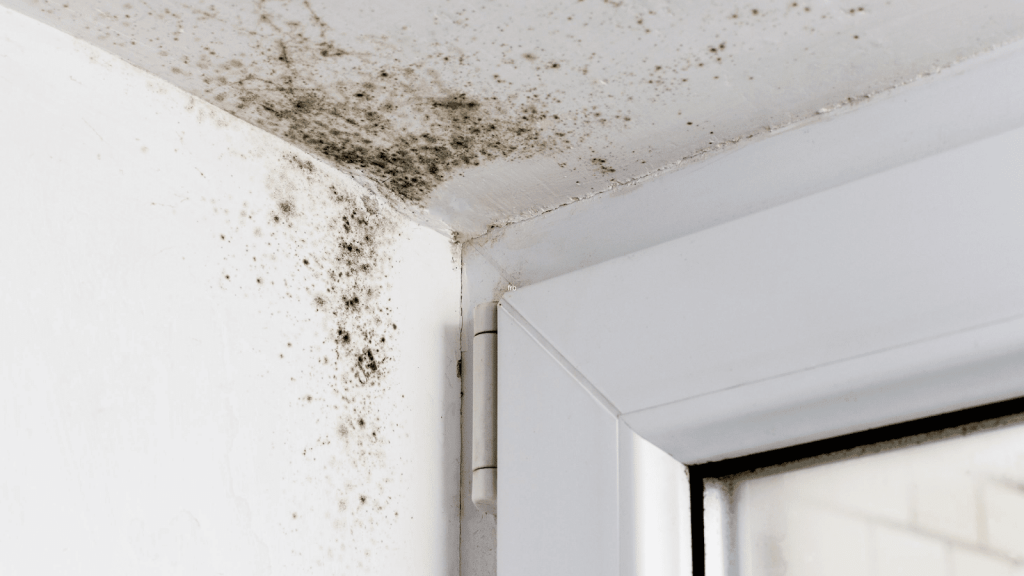
One of the main goals of water damage restoration is preventing secondary damage. Hidden moisture creates ideal conditions for mold, odors, and material breakdown. Moisture detection tools help ensure that no damp areas remain untreated.
By confirming that materials are fully dry, professionals reduce the chance of mold developing weeks or months later. This proactive approach protects both the property and indoor air quality.
Supporting Clear Communication and Documentation
Moisture detection technology also improves communication with property owners and insurance providers. Detailed readings and thermal images provide clear evidence of damage and drying progress.
Enhancing Efficiency and Reducing Costs
Accurate moisture detection saves time and money. When professionals know exactly where to focus their efforts, restoration becomes more efficient. Fewer materials need removal, and drying times are often shorter.
Over time, this precision lowers overall restoration costs and minimizes disruption for occupants. Therefore, technology benefits everyone involved in the recovery process.
Conclusion: Importance of Moisture Detection Technology
Moisture detection technology has become a cornerstone of modern water damage restoration. By uncovering hidden moisture, guiding drying strategies, and preventing secondary damage, these tools improve both results and reliability. As restoration methods continue to evolve, accurate moisture detection remains essential for protecting properties, health, and peace of mind.
Recent Comments